

By Veroff, Insurance Attorney at Merlin Law Group
California is facing a property insurance crisis of historic proportions, a perfect storm of compounding wildfire risks, insurer retreat, and policy frameworks that are proving outdated and insufficient. What was once a robust and competitive insurance market is now buckling under pressure, leaving hundreds of thousands of homeowners in limbo. To restore stability and fairness, the state must embrace bold, comprehensive reform.
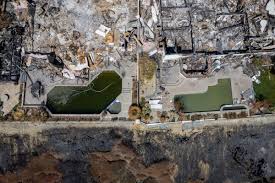
Wildfires Push Insurers to the Edge
The devastation wrought by the January 2025 wildfires in Southern California marked a turning point. Over 18,000 structures were destroyed, at least 30 lives were lost, and insurance carriers—including industry giants like State Farm, Allstate, and Farmers—further curtailed their involvement in the state. State Farm, already having halted new policy issuance since 2023, enacted a 17% rate hike in June 2025 and has applied for an additional 11%, citing staggering wildfire-related losses totaling $7.6 billion in Los Angeles County alone. A hearing on that request is slated for October.
The market pullback isn’t just a matter of business calculus. Homeowners in high-risk regions are increasingly left with only one option: the California FAIR Plan, a stopgap program that was never meant to function as the primary insurer for such a large segment of the population.
The FAIR Plan: Bursting at the Seams
Once conceived as a backstop for Californians unable to obtain traditional coverage, the FAIR Plan now serves over 555,000 policyholders—a nearly 400% increase from 2015. As of March 2025, the plan’s exposure had ballooned to $599 billion, a 31% jump from just six months prior. Following the January wildfires, it paid out $900 million across nearly 4,800 claims, and to maintain solvency, it levied a $1 billion assessment on its member insurers.
However, the FAIR Plan remains severely limited. It offers only named peril coverage, omitting protections like theft, liability, and water damage. Homeowners are forced to buy supplemental wraparound policies, driving costs even higher.
Consumer groups are fighting back. Consumer Watchdog is suing Insurance Commissioner Ricardo Lara and the Department of Insurance to block the $500 million in assessments that insurers are attempting to pass on to homeowners. Their argument: these surcharges are effectively new taxes, imposed without legislative consent.
Legislative and Regulatory Responses Begin to Take Shape
Recognizing the urgency, California lawmakers are mobilizing with several reform bills:
- AB 1354 would create a state tax credit beginning in 2026 for homeowners whose fire insurance premiums exceed their 2023 levels.
- AB 226 authorizes the state to issue bonds and extend revolving credit to the FAIR Plan.
- AB 567 proposes a four-year suspension of the gross premiums tax on residential policies, aiming to reduce rate burdens on consumers.
New regulatory changes also mark a significant shift. Insurers are now permitted to pass on reinsurance costs directly to consumers if they commit to writing coverage in high-risk areas. Although this could lead to premium hikes of 30–40%, regulators hope it will help preserve access to private-market insurance.
Additionally, insurers can now use forward-looking catastrophe models in rate filings. These models incorporate projected wildfire risk, allowing for more precise pricing and potentially incentivizing proactive mitigation by homeowners.
Legal Challenges Add to the Uncertainty
Further complicating the landscape is a landmark appellate decision in Gharibian v. Wawanesa Gen. Ins. Co. (2025). The court ruled that smoke damage alone, in the absence of direct flame contact, did not trigger coverage under the homeowner’s policy. This precedent-setting ruling—the first of its kind in California—could fundamentally reshape how insurers handle wildfire-related claims going forward.
At the same time, legal action is heating up on the antitrust front. Two lawsuits filed in Los Angeles accuse major insurers of colluding—via trade associations—to limit coverage in wildfire-prone zones and funnel policyholders to the FAIR Plan, allegedly in violation of competition laws.
Geographic Fallout: Risk Maps and Reclassification
The state’s newly revised wildfire risk maps have caused an upheaval across many communities. Entire neighborhoods, including areas in Carmel, were reclassified as “very high” severity zones. This reclassification has immediate consequences: insurers are reassessing coverage terms, non-renewals are spiking, and rates are climbing steeply. For rural and lower-income residents, the impact could be catastrophic—both economically and socially.
Charting a Sustainable Future
California can no longer rely on piecemeal fixes. A durable solution requires a comprehensive overhaul based on three central pillars:
- Revamp the FAIR Plan: Expand coverage to include water damage, theft, and liability. Improve claims processing transparency and establish fair payment timelines.
- Encourage Risk Mitigation: Create a centralized, state-backed inspection and certification program. Require insurers to offer mandatory premium discounts for homes meeting fire-hardening standards. Increase funding for community-wide wildfire resilience efforts.
- Modernize Proposition 103: The landmark 1988 initiative provides essential consumer protections, but its rigid rate approval process hinders timely adaptation. Reforms must preserve oversight while allowing insurers to respond dynamically to real-time risk, using transparent actuarial data.
Conclusion: A Tipping Point and a Time for Leadership
The stakes could not be higher. Without sweeping reform, the California property insurance market risks collapse. Millions may find themselves underinsured or uninsured, exposed not only to wildfires but to economic displacement and community fragmentation.
But the path forward is still within reach. Through collaboration among lawmakers, regulators, and insurers—with input from consumer advocates and wildfire experts—California can reclaim its insurance market and build long-term resilience.
This moment demands not only immediate intervention but vision and courage. If California gets this right, it could become a national model for how to adapt insurance systems to meet the growing challenges of climate change.
This article really highlights the urgent need for reform in California’s property insurance market. Homeowners are being squeezed from all sides, and the FAIR Plan simply isn’t a long-term solution. I hope lawmakers move quickly on these bills.
The rising wildfire risks and insurance company withdrawals make it clear that we need more innovative approaches. I’m particularly interested in the proposed premium discounts for fire risk mitigation. Incentivizing homeowners could help reduce losses.
The lawsuits alleging insurer collusion are concerning. If true, this is a serious breach of trust. Consumers deserve transparency and fair access to coverage, especially in high-risk areas.
As someone living in a high-risk zone, the new fire risk maps are alarming. Rate hikes might be inevitable, but the state needs to ensure that coverage remains affordable for vulnerable communities.
Proposition 103 has protected consumers for decades, but modernization seems necessary given today’s wildfire challenges. A balance between consumer protections and insurer flexibility is essential for a sustainable market.
The article really highlights how urgent the property insurance crisis in California has become. I agree that without comprehensive reforms, many homeowners will continue to struggle to find affordable coverage
While I understand the concerns raised, I think the article overemphasizes the need for government intervention. Sometimes market forces should be allowed to correct problems naturally instead of relying heavily on regulations
The blueprint for reform laid out in the article is practical and much needed. California’s unique risks require tailored solutions, and I appreciate the focus on both immediate relief and long-term stability.